
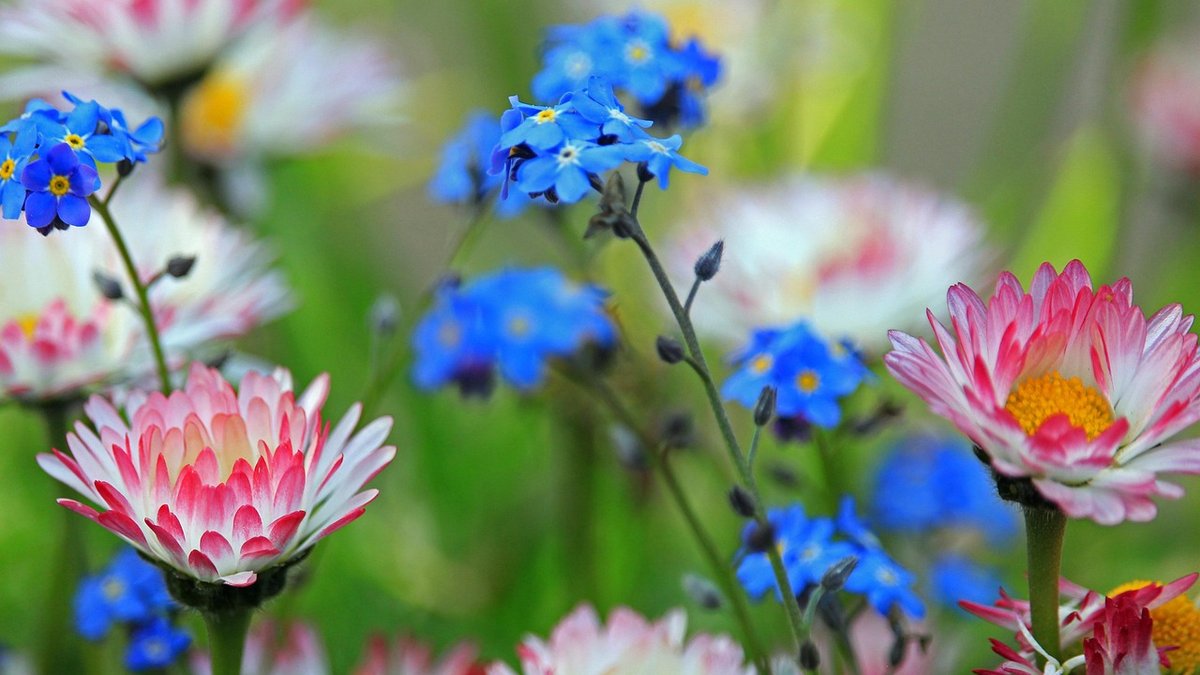
Early spring is the most hopeful stretch of the gardening year, and also the most unpredictable. One week the soil is workable and the birds are singing; the next, a hard frost rolls in off the north wind. The trick is to work with the weather rather than against it — get the big structural jobs done while plants are still dormant, then pace yourself as growth begins. Here are the tasks worth prioritising from late February through to early April.
While plants are still leafless, you can see exactly what you are cutting. Start with anything that flowers on new wood, as this is the last chance to prune without losing this year's display.
Hold off on anything that flowers in spring — forsythia, lilac, magnolia and flowering currant all wait until after their blooms fade. If old herbaceous stems are still standing, cut them down now, but watch for new shoots emerging underneath and avoid treading on them.
Before perennials knit together, you have a clear run at the soil. Test whether it is dry enough to work by squeezing a handful: if it crumbles, carry on; if it forms a sticky ball, wait a few more days.
Mulching now does double duty: it feeds the soil as worms pull it down, and it locks in the winter moisture that will carry plants through a dry spell in May.
Outdoors, direct sowing works well under a cloche or a double layer of fleece. Broad beans, peas, spinach, chard, early carrots, parsnips, radishes, lettuce and spring onions can all go in where the ground is workable. Use fresh parsnip seed, as it loses viability quickly.
Sweet peas sown now in deep pots will romp away once planted out. Under glass, sow tomatoes, peppers, chillies and aubergines at around 18–21°C, and prick them out as soon as the first true leaves appear.
Lifting and dividing summer-flowering perennials now gives them time to settle before the heat. Choose clumps of asters, helenium, rudbeckia and hardy geraniums that have become congested or flowered poorly, dig them up and split them with two forks back to back, discarding the woody centre and replanting the vigorous outer pieces.
Snowdrops and winter aconites are the exception — divide these in the green, straight after flowering, while the leaves are still active. Deciduous grasses such as miscanthus and calamagrostis should be cut back to 5–10cm before new growth appears, but leave evergreen grasses alone apart from a gentle comb-through with your fingers.
Storms leave their mark, often in places you have not looked at since autumn. Walk the garden with a notebook and check fences, trellis, raised-bed boards, greenhouse glass and door fittings. Replace broken stakes and ties on climbers and young trees, clear guttering, and check water butts for cracks before they refill.
For lawns, the first cut of the year should be on the highest setting and only when the grass and soil are dry. Scalping now invites moss and disease. Re-cut edges, fork over compacted patches, and deal with moss before overseeding bare areas in April. Paths and patios benefit from a scrape and a refill of gravel while the weeds are still weak.
Keep fleece, cloches and a few sheets of newspaper to hand — frosts can arrive well into May, and tender new shoots are vulnerable. Have covers ready for early blossom on fruit trees and for emerging potato foliage, earthing up as a protective ridge where you can.
Slugs become active on mild, damp nights, so patrol after rain, set beer traps, or apply nematodes when the soil has warmed. Under glass, watch for aphids and whitefly on new growth, and check pots for vine weevil grubs. Finally, inspect stored dahlia tubers and begonia corms for signs of rot, discarding any that have gone soft before they spoil the rest of the box.

Hi, my name is Anthony kuber. I am artist and fashion designer.
I love to travel and writing blogging.
Your email address will not be published. Required fields are marked *
Software Developer & Writer
Hey, I'm Diva, a developer and writer blending code and creativity. I'm driven by a deep curiosity and a relentless pursuit of excellence. Join me as I craft digital solutions and captivating stories.


